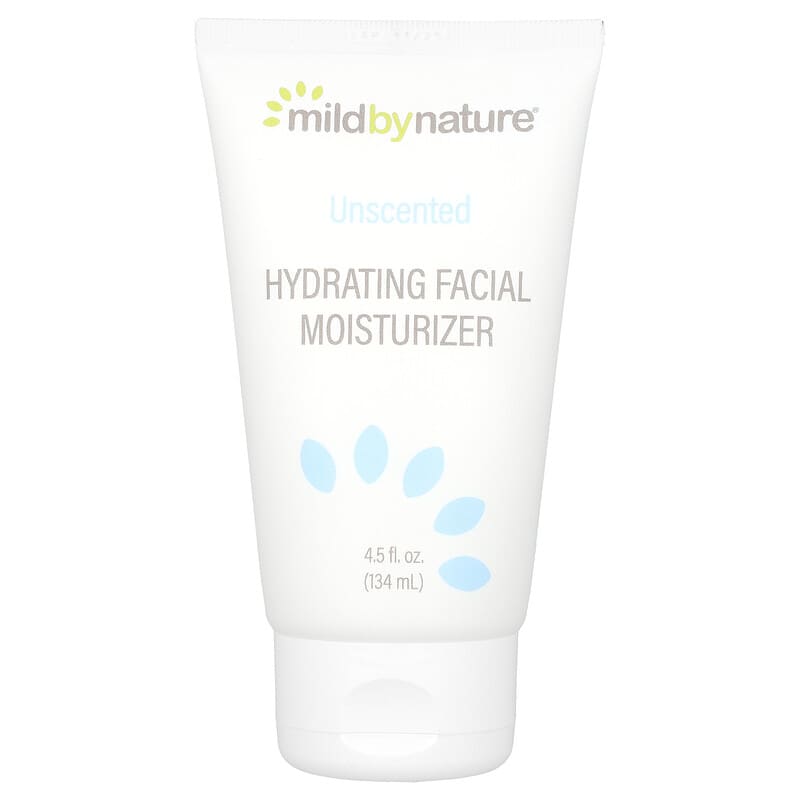
The Science Behind Moisturizers: How They Work for Your Skin
The science behind moisturizers lies in their ability to hydrate and protect the skin's barrier. At the core of their function, moisturizers typically contain three key types of ingredients: occlusives, humectants, and emollients. Occlusives, such as petrolatum or beeswax, work by forming a protective layer on the skin's surface, preventing water loss. Humectants, like glycerin or hyaluronic acid, attract moisture from the environment and bind it to the skin. Finally, emollients, such as shea butter or fatty acids, help to fill in gaps between skin cells, making the skin feel smooth and soft.
Understanding how moisturizers perform these functions requires a closer look at the skin's structure. The outermost layer, known as the stratum corneum, is composed of dead skin cells and lipids that serve as a barrier, locking in moisture. When the skin is well-hydrated, it appears plump and youthful. However, factors such as environmental stressors and aging can lead to a compromised barrier, resulting in dryness and discomfort. Regular use of a quality moisturizer not only replenishes essential moisture but also aids in maintaining the skin's natural barrier, contributing to overall skin health.
Are You Using the Right Moisturizer for Your Skin Type?
Choosing the right moisturizer is crucial for maintaining healthy skin. Different skin types, such as oily, dry, combination, and sensitive, require specific formulations to achieve optimal hydration and balance. For instance, if you have oily skin, look for a lightweight, oil-free moisturizer that won’t clog pores, while dry skin benefits from rich, cream-based moisturizers that provide deep hydration. Understanding your unique skin type is the first step towards achieving a radiant complexion.
To help you determine the best moisturizer for your skin type, here are a few tips:
- Identify Your Skin Type: Knowing if your skin is oily, dry, combination, or sensitive is essential.
- Check Ingredients: Look for key ingredients that benefit your skin type, like hyaluronic acid for hydration or salicylic acid for controlling oil.
- Test and Observe: Don’t hesitate to test products on a small area of your skin and monitor how it reacts.
Moisturizer Myths Debunked: What You Need to Know
The world of skincare is filled with moisturizer myths that can lead to confusion and misinformation. One common myth is that oily skin doesn't require moisturizer. In reality, all skin types benefit from hydration; even oily skin can become dehydrated, leading to increased oil production as a compensatory mechanism. It's crucial to choose a lightweight, non-comedogenic moisturizer that hydrates without clogging pores.
Another misconception is that expensive moisturizers are always more effective. The truth is that the effectiveness of a moisturizer depends on its ingredients rather than its price tag. Many affordable options contain beneficial compounds like hyaluronic acid and glycerin that can provide excellent hydration. Always check the ingredient list and consider your skin type to find the right product for your needs.