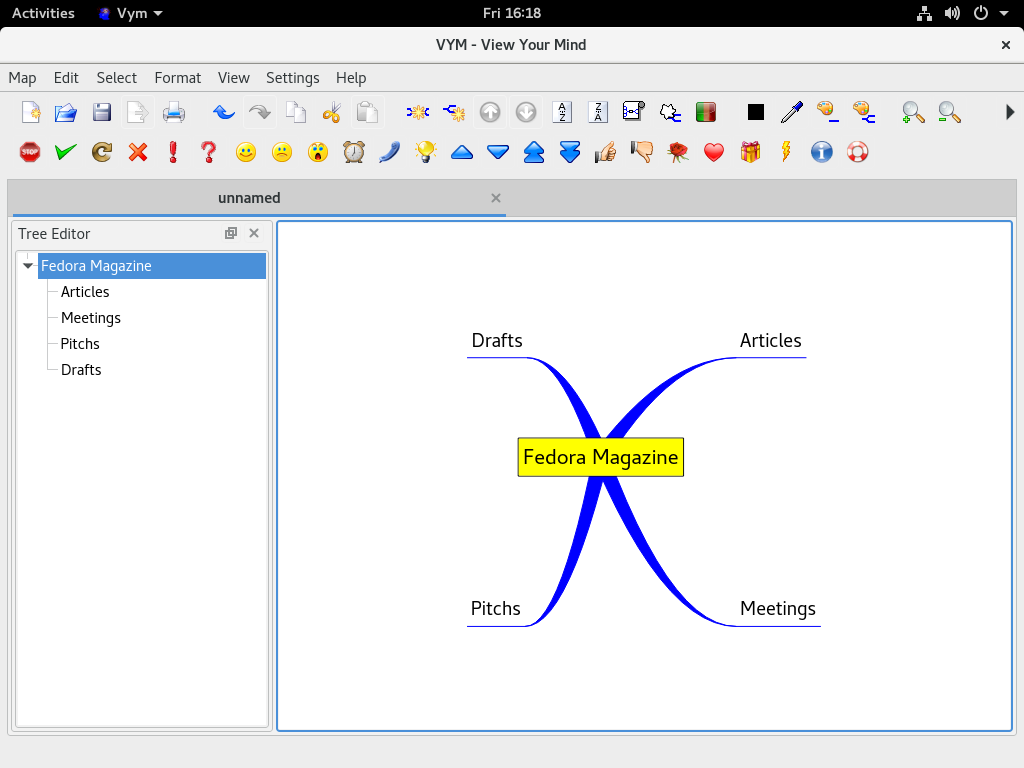
Unlocking Creativity: Top 5 Mind Mapping Tools for Effective Brainstorming
In today's fast-paced world, unlocking creativity is essential for effective brainstorming, and one of the best ways to do this is through mind mapping. Mind mapping tools offer a visual approach to organizing thoughts and ideas, allowing users to explore concepts in a meaningful way. Here, we present the top 5 mind mapping tools that can help you unleash your creative potential:
- MindMup: A cloud-based mind mapping tool that enables real-time collaboration and easy sharing.
- XMind: Known for its stunning visuals and various templates, XMind is perfect for those who want to create professional-looking mind maps.
- Miro: A versatile collaborative whiteboarding platform that supports mind mapping alongside other brainstorming techniques.
- Coggle: An intuitive and simple tool that allows users to create beautiful mind maps with ease.
- MindMeister: A robust option for teams, MindMeister combines mind mapping with project management features for comprehensive brainstorming sessions.
Each of these mind mapping tools offers unique features that cater to different needs, making it easier than ever to bring your ideas to life. By integrating these tools into your brainstorming sessions, you can enhance collaboration and drive innovation. Don't hesitate to explore these options and find the one that best fits your creative process—after all, unlocking creativity is just a mind map away!
How to Supercharge Your Ideas: A Beginner's Guide to Mind Mapping
Are you struggling to bring your ideas to life? Mind mapping can be an invaluable technique for brainstorming, organizing, and expanding your thoughts. This visual tool allows you to create a diagram that represents your ideas and their connections in a structured manner. To get started, you can follow these simple steps:
- Choose a Central Idea: Begin with your main concept in the center of the page.
- Add Branches: Draw branches from the central idea to subtopics.
- Include Keywords: Use single words or short phrases to keep it concise.
- Utilize Colors and Images: Enhance your map’s visual appeal by incorporating colors, symbols, or images.
Mind mapping not only enhances creativity but also improves memory retention and comprehension by providing a clear overview of information. By categorizing your ideas visually, you can identify patterns and relationships that might otherwise go unnoticed. To learn more about effective mind mapping techniques and tools, check out resources such as MindMap.com and Creately's Mind Map Examples. Start transforming your ideas today and unlock your creative potential!
Mind Mapping vs. Traditional Brainstorming: Which Method Reigns Supreme?
Mind mapping and traditional brainstorming are two popular techniques used to generate ideas and organize thoughts. While traditional brainstorming encourages free association and rapid idea generation among participants, mind mapping provides a structured visual representation of those ideas. This method allows users to connect concepts and see relationships between thoughts, facilitating deeper understanding and creativity. By organizing ideas in a non-linear fashion, mind mapping can lead to more comprehensive problem-solving and innovative solutions.
On the other hand, traditional brainstorming entails group discussions where individuals vocalize their ideas in an open environment. This approach can often lead to groupthink, where dominant personalities overshadow quieter individuals, potentially stifling creativity. While both methods have their merits, recent studies suggest that mind mapping may be more effective for visual learners and complex projects. Research indicates that structured brainstorming, like mind mapping, can enhance participation and idea retention, making it a worthy contender for those seeking the most productive brainstorming technique.