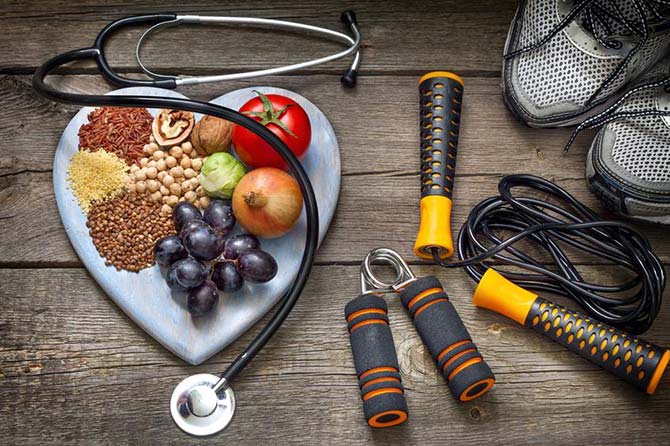
Fueling Your Body: The Best Foods for Optimal Performance
To achieve optimal performance, fueling your body with the right nutrients is crucial. Incorporating a variety of foods that are rich in vitamins, minerals, and macronutrients can significantly enhance your energy levels and overall well-being. Some of the best options include:
- Lean Proteins: Foods like chicken, turkey, and legumes support muscle repair and growth.
- Whole Grains: Oats, quinoa, and brown rice provide sustained energy release, keeping you fueled throughout the day.
- Fruits and Vegetables: Rich in antioxidants and vitamins, they help reduce inflammation and promote recovery.
In addition to these food groups, staying hydrated is key to maintaining optimal performance. Water, along with electrolyte-rich beverages, can aid in sustaining endurance and focus, especially during strenuous activities. It's also essential to consider timing your meals; consuming a well-balanced meal about 3 hours prior to any intense physical activity can maximize your performance. Remember, what you eat directly affects how you feel and perform, so prioritize your fuel for the best results!
Debunking Myths: Do Carbs Really Make You Tired?
The common belief that carbohydrates make you tired is a misconception that deserves clarification. Carbohydrates are the body's primary source of energy, and when consumed, they are broken down into glucose, which fuels our cells. While some may experience fatigue after a heavy meal rich in carbs, this is often due to overeating or the body's natural response to digestion, rather than the carbs themselves. Instead of attributing tiredness solely to carbs, it is crucial to consider factors such as portion sizes, overall diet, and individual metabolism.
Moreover, the type of carbohydrates consumed plays a significant role in energy levels. Complex carbohydrates, such as whole grains, fruits, and vegetables, are digested more slowly and provide a steady release of energy. In contrast, simple carbohydrates, found in sugary snacks and beverages, can lead to a rapid spike followed by a crash, resulting in feelings of fatigue. Thus, understanding the difference between these carb types can help individuals make informed dietary choices that promote sustained energy rather than fatigue.
How to Create a Balanced Plate for Peak Athletic Performance
Creating a balanced plate is essential for peak athletic performance, as it provides the necessary nutrients to fuel and recover from intense training sessions. A well-rounded meal should consist of a variety of food groups, including carbohydrates, proteins, and healthy fats. To achieve this balance, consider the following components:
- Complex Carbohydrates: Foods like whole grains, fruits, and vegetables serve as the primary energy source for athletes.
- Lean Proteins: Incorporate sources such as chicken, fish, beans, and legumes to aid in muscle repair and growth.
- Healthy Fats: Include avocados, nuts, and olive oil to support overall health and energy levels.
To further refine your balanced plate, pay attention to portion sizes. A good rule of thumb is to fill half your plate with vegetables and fruits, one quarter with lean protein, and one quarter with complex carbohydrates. Additionally, don't forget to stay hydrated, as water plays a crucial role in athletic performance. Keeping your body well-nourished and properly hydrated can enhance endurance, speed up recovery time, and ultimately lead to improved fitness outcomes. Remember, every athlete's needs are unique, so don’t hesitate to adjust your plate based on your specific training demands and goals.